
Every year, the Internal Revenue Service publishes its “Dirty Dozen” list, outlining the most common tax scams they’re seeing across the country. These scams change over time, but the goal is always the same: to pressure people into acting quickly before they have a chance to think things through.
At first glance, it’s easy to assume this doesn’t apply to you. Most people believe scams happen to someone else, often because they imagine them as obvious or unsophisticated. In reality, today’s scams are becoming far more targeted, more convincing, and harder to recognize.
What’s important to understand is that these schemes don’t just affect your tax return. A single misstep can expose personal information, compromise accounts, or create ripple effects across your broader financial life. That’s why awareness matters, not just during tax season, but year-round.
Why This Matters More Than Ever
Protecting your financial life is more than managing investments or filing taxes correctly. It’s about safeguarding your identity, securing your accounts, and making informed decisions at every step. Maintaining financial health isn’t about reacting after something goes wrong. It requires proactive awareness, prevention, and reliable systems.
Many scams are designed to create urgency, confusion, or even excitement, prompting quick decisions without careful thought. By understanding these tactics, you can build habits that help you pause, verify, and protect your financial well-being. Staying vigilant year-round is key to maintaining financial security.
Scams Aren’t Just Increasing, They’re Accelerating
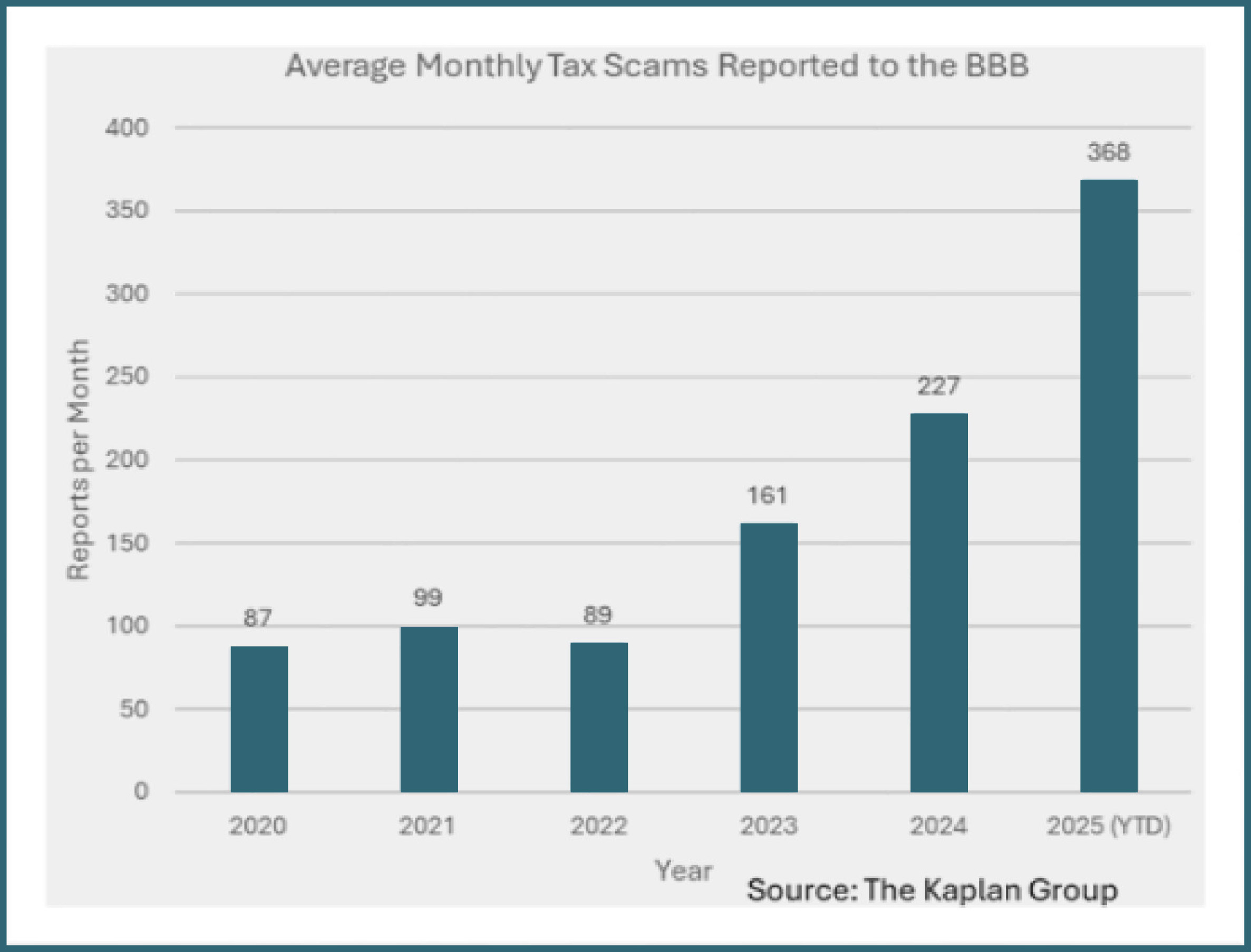
Over the past several years, reports of tax related scams have been rising, but what stands out today is how quickly these schemes are evolving. Tactics that once felt familiar are changing rapidly, making it harder to rely on past experiences to spot something suspicious.
Advancements in technology, such as artificial intelligence, have enabled scams to become more widespread and more persuasive. Messages can closely resemble legitimate institutions, which means even financially savvy individuals can be caught off guard. Staying protected now requires slowing down, questioning unexpected requests, and taking a moment to verify before acting.
The Common Thread Behind Today’s Scams
While the IRS “Dirty Dozen” list includes a wide range of schemes, most of them follow a few familiar patterns. Understanding those patterns makes it easier to recognize a scam before it turns into a problem.
They Pretend to Be Someone You Trust
One of the most common tactics is impersonation. Scammers may pose as the IRS, a financial institution, or a charity, and increasingly use AI-generated voices or spoofed phone numbers to sound legitimate.
The goal is to create urgency and push you to act quickly. If a message feels rushed, threatening, or unusually demanding, that’s a signal to pause and verify before responding.
They Promise Something That Sounds Too Good
Another common pattern is the promise of an easy win. This may show up as “tax hacks” on social media, unexpected credits, or firms claiming they can resolve tax issues for pennies on the dollar.
These offers often lead to incorrect filings, delayed refunds, or penalties. When something sounds like a shortcut to a better outcome, it’s worth taking a closer look.
They Try to Get Access to Your Information
Some scams are more subtle and focus on gaining access to your personal or financial information. This can happen through phishing emails, fake websites, or even preparers who don’t follow proper procedures.
Your financial information is one of your most valuable assets. Protecting it is just as important as growing it.
A Simple Way to Stay Protected
You don’t need to memorize every scam on the IRS list to protect yourself. In most cases, staying safe comes down to a few consistent habits.
Slow down when something feels urgent. Be cautious with unexpected messages or requests, especially those asking for personal information or immediate action. Take a moment to verify the source before responding or clicking through.
And when in doubt, ask. Sometimes the best financial decision you can make is not acting right away.
Final Thought
The goal isn’t to make you concerned about scams—it’s to help you feel confident that you’re protected. If you ever receive something that doesn’t feel right, whether it’s a message, phone call, or advice online, don’t guess. Reach out to a trusted advisor. Sometimes the most valuable advice is helping you avoid a mistake.
Sources
Internal Revenue Service, “Dirty Dozen Tax Scams for 2026,” March 5, 2026.
The Kaplan Group; Better Business Bureau (BBB), tax scam and fraud trend data (2020–2025).